Why Co-Branding is a Smart Strategy for MSME Startups
In the competitive world of digital business, MSME startups frequently face a steep climb. With limited marketing budgets, low initial visibility, and constant competition from larger brands, it is critical to find smart, scalable growth strategies.
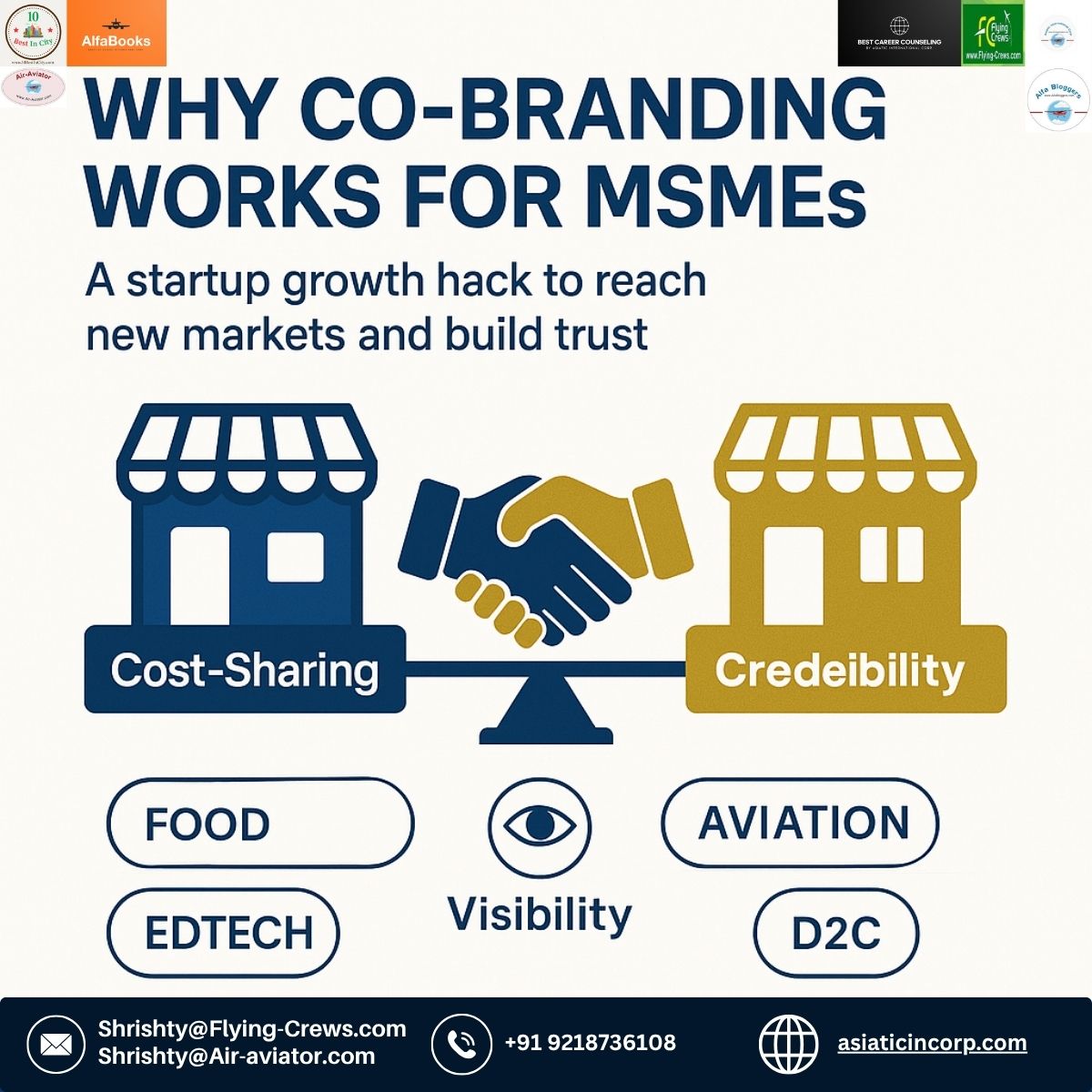
One effective solution that many small businesses overlook is co-branding. At Asiatic International Corp., we've seen firsthand how co-branding for MSMEs can help startups reach new audiences, build trust faster, and reduce marketing costs—all while promoting sustainable growth.
What is co-branding? (Simplified for MSMEs)
Co-branding is a collaborative marketing strategy that involves two or more brands promoting a product, service, or campaign. Instead of marketing alone, you collaborate with a like-minded partner to increase reach while sharing costs.
This is not only for large corporations. Smart co-branding is extremely beneficial for MSMEs because it allows you to borrow credibility, share budgets, and expand into new customer segments without having to start from scratch.
Challenges Faced by MSMEs and Startups
Before delving deeper, let's understand why co-branding is so important for micro, small, and medium-sized businesses:
❌ Limited Marketing Budget
Most MSMEs operate on tight margins and cannot afford expensive digital ads, influencer campaigns, or paid public relations. Co-branding provides shared promotional opportunities, which reduces the burden on one party.
❌ Low Brand Visibility
New startups often struggle to gain visibility. A collaboration with a more established or complementary brand can increase awareness and trust overnight.
❌ High Competition
From D2C e-commerce to edtech and FMCG, almost every niche is overcrowded. Co-branding allows you to differentiate your offer and generate buzz through unexpected, value-added collaborations.
How Co-Branding Helps MSMEs Succeed
Here are three transformative co-branding benefits for small businesses:
✅ 1. Access to New Markets
Collaborating with a brand that already has a customer base in a complementary niche allows you to enter new markets quickly and with confidence.
Hypothetical scenario: A small regional herbal skincare company collaborates with a local yoga studio chain. They collaborate to launch a co-branded Instagram giveaway called "Wellness Weekend." The skincare brand is exposed to yoga-loving, health-conscious audiences, whereas the yoga studio interacts with eco-friendly beauty consumers.
✅ 2. Shared Marketing and Content Creation Costs
Instead of bearing the entire cost, both brands contribute to social media campaigns, influencer engagement, email newsletters, and even co-branded packaging or video content.
A bootstrapped aviation training institute collaborates with a job portal startup to create a free downloadable "Career in Aviation" guide. This content, promoted via LinkedIn and email, adds value and visibility to both without incurring significant costs.
✅ 3. Boosted Credibility Through Association
MSME-Specific Co-Branding Ideas by Sector
Food and Beverage: Collaborate with fitness influencers or kitchen appliance brands for joint campaigns.
D2C Apparel: Partner with sustainable packaging suppliers or local designers.
EdTech Startups: Create learning bundles with schools, NGOs, or career consultants.
Aviation Training: Collaborate with pilot forums, uniform manufacturers, or travel brands for visibility.
Tech SaaS: Create webinars with CRM or analytics platforms that target the same user base.
How to Choose the Right Co-Branding Partner
Not all collaborations are created equally. Use these tips to find a partnership that truly benefits your brand:
🔍 1. Complementary, Not Competitive
Choose a brand that caters to a similar audience but provides a different product or service.
🤝 2. Shared Values and Vision
Make sure both brands' tone, mission, and customer experience are consistent; misalignment can confuse your audience.
📊 3. Mutual Benefit
The partnership must feel equitable. Both parties should increase visibility, conversions, and credibility.
🎯 4. Clear Goals and Deliverables
Outline what each brand will contribute—whether it's content, ad spend, design, or distribution—and define campaign metrics in advance.
A Win-Win Strategy for Growth
In today's competitive digital landscape, MSMEs require every advantage they can get. Co-branding is more than just a big-brand strategy; it's a startup growth hack that astute founders are beginning to adopt. With the appropriate partner, your startup can:
Expand faster.
Increase trust quicker.
Spend less on marketing.
And stand out through collaborative innovation
Kushagra Kumar Mungutwar
Digital Marketing Specialist
Asiatic In Corp
LinkedIn:
https://www.linkedin.com/in/kushm/
LinkTree:
V Card:
https://linko.page/kushm16?s=url
Instagram:
https://www.instagram.com/asiatic_in_corp